
Relays play an essential role in controlling electrical circuits efficiently ensuring smooth performance across various systems. Learning how to test relays helps prevent unexpected breakdowns improves reliability and supports long-term safety in electrical applications. With simple inspection techniques and basic tools users can quickly identify issues before they escalate into costly failures. By adopting a proactive testing routine individuals and technicians can ensure uninterrupted performance in both simple and complex electrical systems.
Why Relay Testing Matters
Regular relay testing ensures consistent performance and reduces the risk of sudden malfunction. A well-maintained relay supports stable current flow and protects connected components from damage. By identifying weak or faulty relays early you can maintain efficiency and avoid operational disruptions. Consistent relay evaluation also helps in early detection of wear and tear allowing timely corrective action.
Common Signs of Relay Issues
Recognizing early warning signs helps in proactive maintenance. These indicators often appear before complete failure making them important for preventive maintenance:
- Clicking sounds without output response
- Intermittent circuit operation
- Overheating during usage
- Inconsistent switching performance
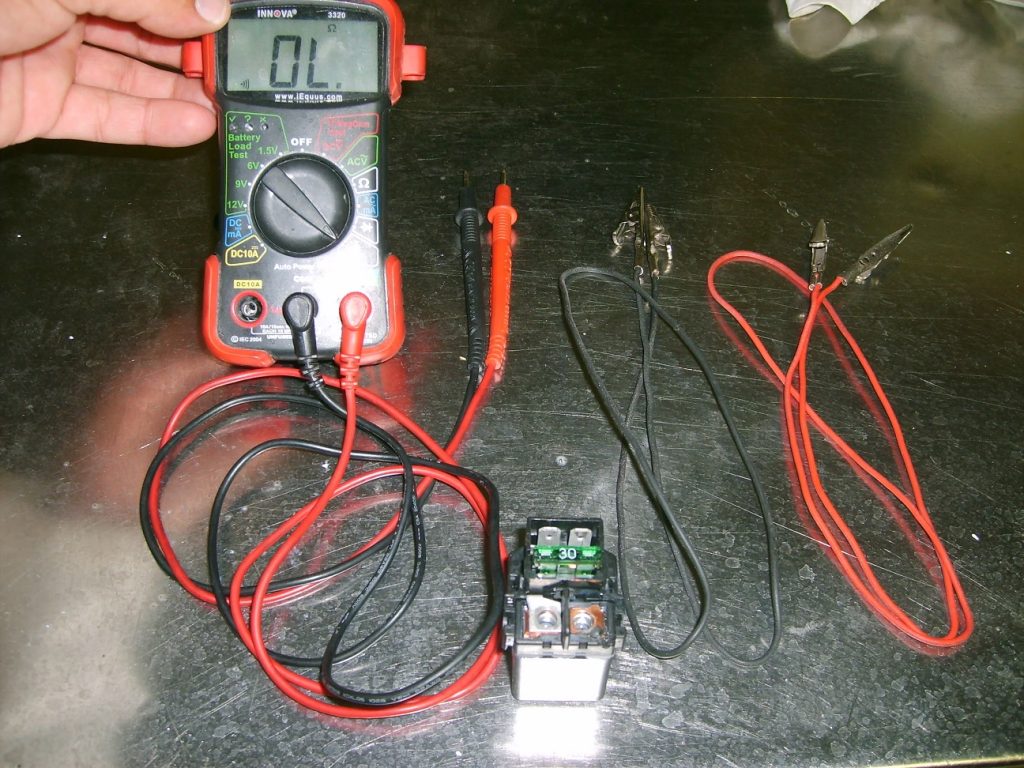
Step-by-Step Relay Testing Approach
Testing a relay is straightforward when done systematically. Following a structured method improves accuracy and ensures safe handling during testing procedures. Using a multimeter correctly is essential for obtaining precise results during each stage.
- Visual Inspection: Check for dust corrosion or physical damage
- Coil Testing: Verify continuity using a multimeter to ensure proper coil function
- Contact Check: Measure switching response for proper open and close behavior
- Power Test: Apply rated voltage to confirm correct activation
- Resistance Measurement: Ensure readings align with expected operational standards
Benefits of Learning Relay Testing
Understanding relay testing techniques provides several advantages. These advantages contribute to overall system stability and reduce unexpected maintenance interruptions:
- Enhanced equipment reliability
- Reduced downtime and maintenance costs
- Improved electrical safety
- Longer system lifespan
Preventive Maintenance Tips
To maintain optimal relay performance follow these helpful practices. Regular attention to relay health ensures long-term reliability and consistent operational efficiency:
- Keep components clean and free from moisture
- Avoid overloading electrical circuits
- Conduct routine inspection schedules
- Replace worn parts promptly
- Use proper insulation techniques
Best Practices for Accuracy
Following best practices ensures consistent and reliable relay testing results every time:
- Work in a clean and safe environment
- Double-check connections before applying power
- Record readings for future reference
Routine Maintenance Insight
Routine inspections help maintain stable performance and reduce the likelihood of sudden electrical interruptions. Mastering how to check a relay boosts diagnostic confidence.
Conclusion
Learning how to test relays empowers users to maintain stable and efficient electrical systems. With consistent monitoring and simple diagnostic steps potential issues can be detected early ensuring smooth operation and improved safety in everyday applications. With basic knowledge and careful observation relay testing becomes a simple yet powerful skill for maintaining dependable electrical systems. Consistent testing ultimately promotes efficiency safety and dependable system performance. Making it a valuable technical practice.