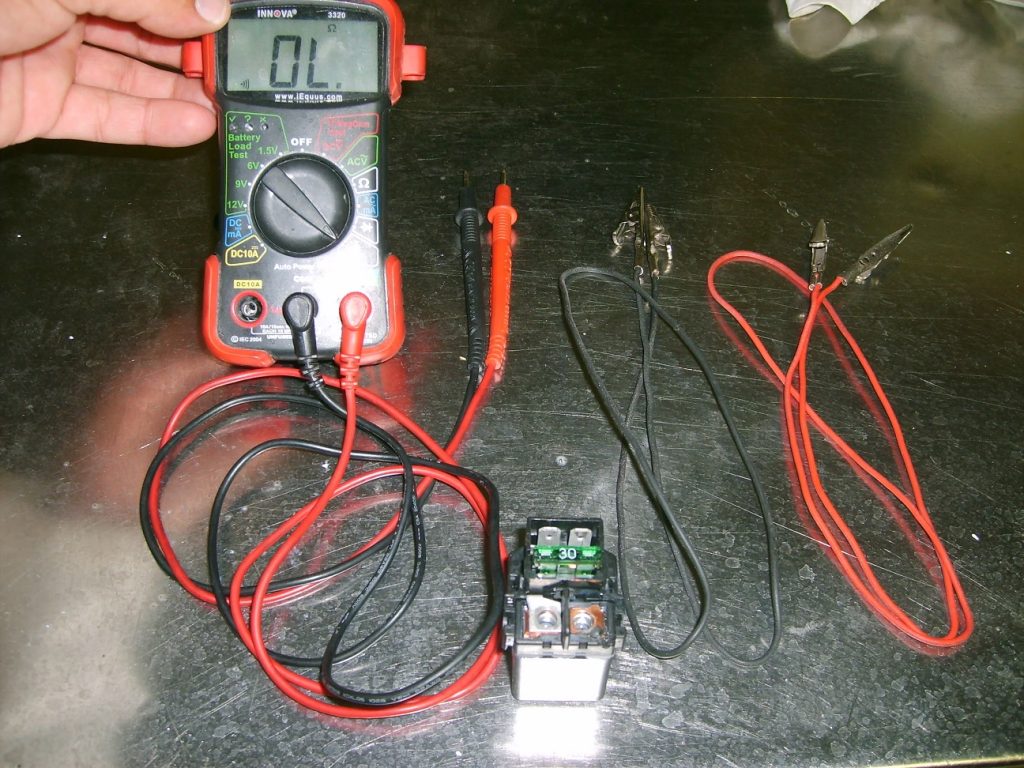
Square Body Chevy Fuel System Parts Ensure Smooth Operation
For enthusiasts of classic square-body trucks, the fuel system plays a vital role in ensuring consistent performance and longevity. Well-designed components allow the engine to receive fuel efficiently, supporting smooth operation and dependable driving. Proper fuel system maintenance enhances reliability while maximizing power and efficiency.
Fans appreciate that attention to these parts directly influences engine performance, responsiveness, and overall driving enjoyment. Every element, from fuel delivery to filtration, contributes to a seamless experience on the road.
Essential Fuel Delivery Parts
The heart of the system is the fuel delivery mechanism, which ensures the engine receives the right amount of fuel at the right time.
- Fuel Pumps: High-quality pumps provide steady pressure for smooth operation and optimal combustion.
- Fuel Lines: Durable lines resist leaks and maintain consistent fuel flow, even under demanding conditions.
- Fuel Injectors or Carbs: Precision-engineered components distribute fuel evenly for superior performance.
- Filters: Advanced filtration protects the engine by keeping contaminants out of the fuel stream.
These elements work together to create an efficient, reliable system, giving drivers confidence that their engine will perform at its best. Upgrading older pickups is easier with durable 73 87 chevy truck parts that perfectly match factory specifications and design.
Enhancing Engine Performance
A well-maintained fuel system does more than keep the engine running it improves responsiveness and overall driving pleasure.
- Improved Acceleration: Consistent fuel delivery allows for quicker throttle response.
- Optimized Fuel Efficiency: Proper fuel atomization and flow contribute to better mileage and reduced waste.
- Smooth Idle and Operation: Engine stability is maintained, avoiding hiccups or stalling.
- Support for Upgrades: Reliable fuel systems allow for safe modifications and performance enhancements.
Performance-focused enthusiasts understand that investing in quality components pays off with greater driving satisfaction.
Durability and Longevity
High-quality fuel system parts are built to last, even under demanding conditions.
- Corrosion Resistance: Materials are designed to withstand long-term exposure to fuel and environmental factors.
- Temperature Tolerance: Components perform consistently in both high and low temperatures.
- Low Maintenance Requirements: Reliable parts reduce the need for frequent repairs or replacements.
- Long-Term Cost Savings: Durable systems save money over time by preventing damage and improving efficiency.
Attention to durability ensures that classic trucks remain dependable and enjoyable for years.
The Enthusiast Community Advantage
Fans often take pride in understanding and upgrading their fuel systems. Sharing tips and knowledge strengthens the community and fosters a culture of care and appreciation.
- Knowledge Sharing: Enthusiasts exchange advice on maintenance, performance tuning, and part selection.
- Showcasing Restorations: Properly maintained fuel systems contribute to beautifully restored vehicles.
- Customization Opportunities: Upgrades allow drivers to tailor performance while keeping the system reliable.
- Celebration of Craftsmanship: Recognizing the engineering behind each component inspires admiration and pride.
Conclusion
Fuel system parts are essential for ensuring smooth, reliable operation in classic square-body trucks. By combining durability, precision, and performance, these components enhance driving enjoyment and longevity. Enthusiasts value every aspect, from fuel delivery to filtration, knowing that a well-maintained system supports both power and dependability. Proper attention to these components not only protects the engine but also elevates the overall driving experience, making each journey as enjoyable as the first.