
Selecting the right emergency kit can make daily preparedness more practical, organized, and dependable. Different situations require different supplies, so understanding your specific needs helps you choose a kit that offers comfort, safety, and convenience. A well-planned emergency kit supports quick action and helps people stay prepared for unexpected events with greater confidence.
Understand Your Main Purpose
Before choosing a kit, consider where and how it will be used. Emergency kits are designed for a variety of situations, and selecting the correct type improves overall usefulness.
Common use cases include:
- Home preparedness
- Outdoor adventures
- Vehicle storage
- Workplace safety
- Travel support
- Family emergency planning
- Sports and recreational activities
Each use case benefits from different tools and supplies. A compact kit may work well for travel, while a larger kit may better support long-term household preparedness.
Focus on Essential Supplies
A reliable emergency kit should include practical items that help manage minor injuries, temporary disruptions, and urgent situations. High-quality supplies also improve durability and performance.
Important items to look for:
- Adhesive bandages in multiple sizes
- Sterile gauze pads
- Cleaning wipes
- Medical tape
- Protective gloves
- Scissors and tweezers
- Emergency blankets
- Flashlights
- Batteries
- Multi-use tools
- Instant cold packs
Kits with organized compartments allow quicker access to supplies and improve efficiency during stressful moments.
Consider Size and Portability
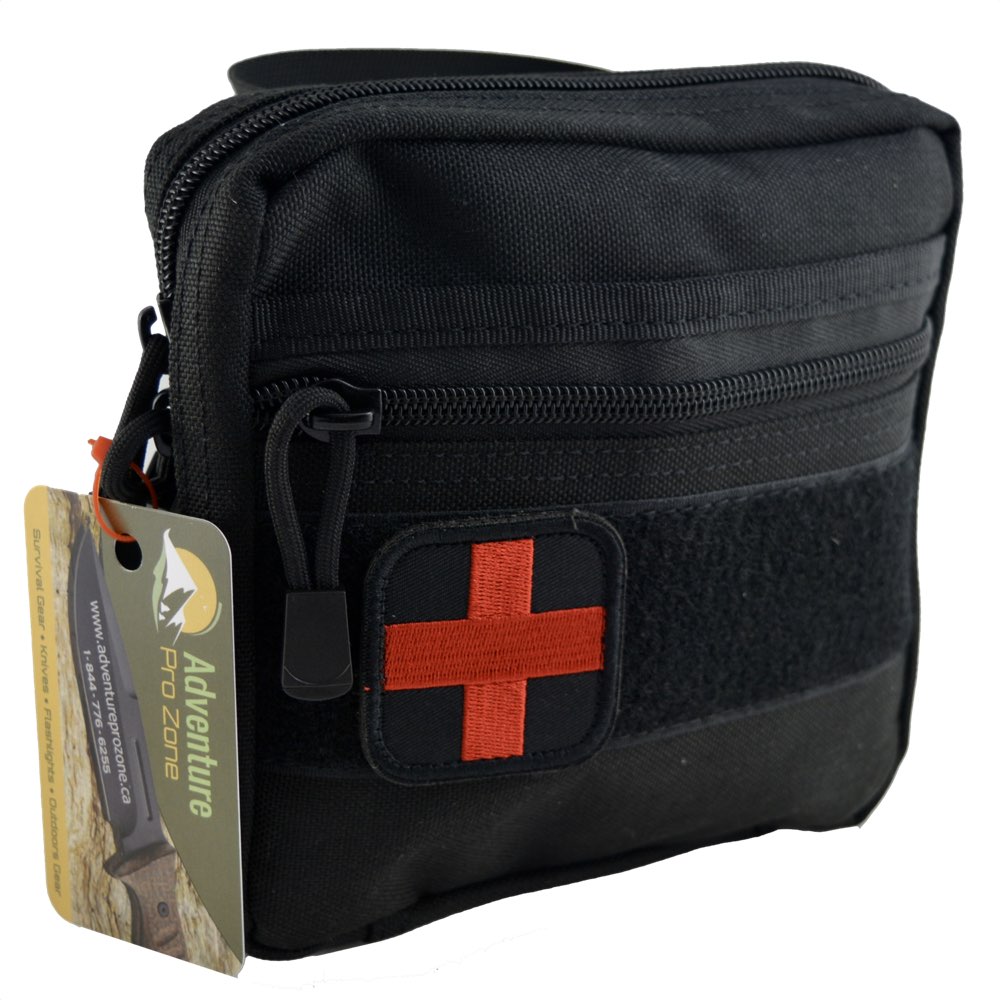
The ideal size depends on how frequently the kit afak vs ifak will be carried or stored. Lightweight kits are easier to transport, while larger kits can hold more advanced equipment.
Portable kits are useful for:
- Hiking trips
- Vehicle compartments
- Daily commuting
- Small office spaces
Larger kits are beneficial for:
- Family preparedness
- Extended outdoor stays
- Group activities
- Long-duration emergencies
A balance between portability and storage capacity helps ensure the kit remains practical and easy to manage.
Evaluate Durability and Organization
A strong emergency kit should withstand frequent handling and changing environments. Durable materials protect supplies and improve long-term reliability.
Helpful design features include:
- Water-resistant cases
- Reinforced zippers
- Clearly labeled sections
- Compact storage pockets
- Easy-carry handles
- Lightweight construction
Well-organized kits reduce confusion and save valuable time when quick access is important.
Match the Kit to Skill Level
Some emergency kits contain basic first aid tools, while others include advanced equipment intended for experienced users. Choosing a kit that matches your comfort level encourages safer and more effective use.
Basic kits often include:
- Everyday first aid supplies
- Simple instruction guides
- Easy-to-use tools
Advanced kits may contain:
- Trauma care items
- Specialized medical tools
- Expanded emergency equipment
Selecting the appropriate level keeps the kit practical and user-friendly.
Check Maintenance Requirements
Emergency kits should be reviewed regularly to keep supplies fresh and complete. Replacing expired or missing items helps maintain readiness.
Regular maintenance tips:
- Inspect contents every few months
- Replace used supplies immediately
- Check battery performance
- Store kits in accessible locations
- Keep items clean and dry
Simple maintenance improves reliability and extends the usefulness of the kit.
Choosing the right emergency kit involves understanding your environment, activity level, and preparedness goals. A thoughtfully selected kit provides dependable support, encourages better organization, and promotes peace of mind during unexpected situations. By focusing on essential supplies, portability, durability, and practical design, anyone can build a stronger sense of readiness for everyday life and emergency situations alike.