
Key Components Supporting Effective Lightning Safety Measures
Lightning safety depends on a coordinated protection approach that helps manage electrical energy safely around a structure. A well-designed lightning protection system combines external and internal measures, creating controlled pathways for lightning current while supporting the safety of buildings, occupants, and electrical equipment.
Understanding the Main Protection Elements
A reliable system brings several components together rather than depending on a single device. The main elements work as a connected network, allowing lightning energy to be intercepted, conducted, dispersed, and controlled effectively. Information about https://lsp.global/lightning-protection-system/ can also help readers understand how these protection layers are organized.
Key components include:
- Air Termination Systems: Positioned at suitable points across a structure, these components provide designated locations for intercepting lightning discharges.
- Down Conductors: These conductive paths transfer lightning current from the upper sections of a building toward the grounding network.
- Earth Termination Systems: Grounding electrodes provide a controlled route for distributing lightning current into the earth.
- Bonding Connections: Bonding helps keep different metallic parts at a similar electrical potential, supporting safer current movement and reducing unwanted electrical differences.
- Surge Protective Devices: SPDs help limit transient overvoltages that can travel through electrical, communication, and data circuits.
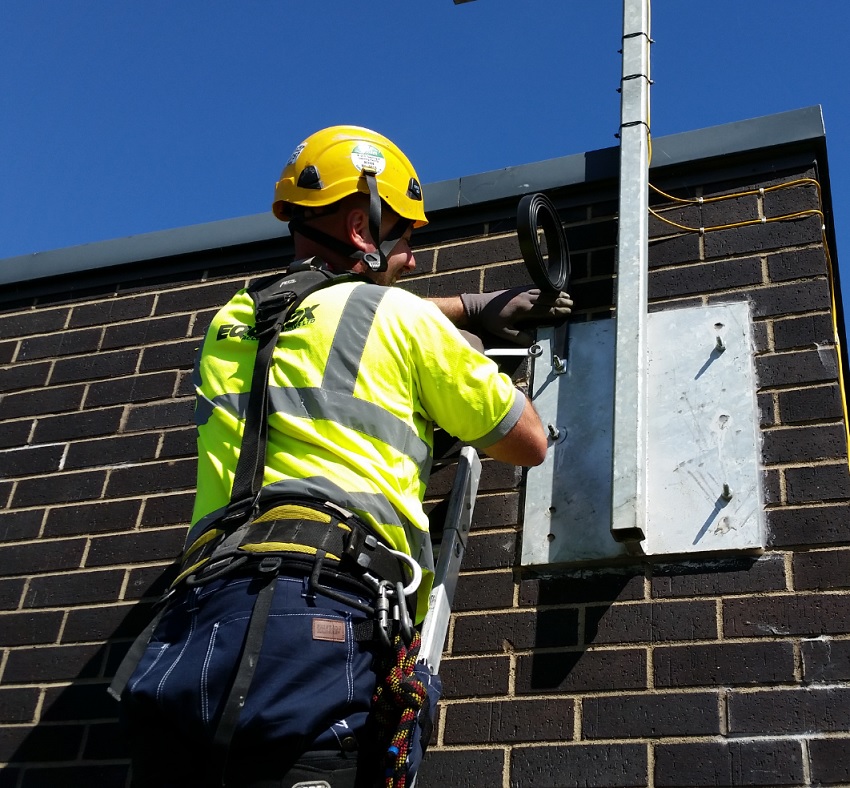
Creating A Coordinated Protection Path
Each component performs an important function, but their combined operation creates a more complete safety strategy. Air terminals address the point of lightning attachment, while down conductors establish a defined current path. The earth termination system then helps disperse the energy into the ground.
Internal protection adds another important layer. Bonding connections help manage voltage differences between conductive parts, while surge protection supports sensitive electrical and electronic equipment against transient effects.
Supporting Structural And Electrical Safety
Effective lightning protection can contribute to a stronger safety framework for modern buildings. Properly planned systems can help reduce physical damage risks while supporting continuity for electrical installations and connected equipment.
Several design considerations contribute to dependable performance:
- Appropriate component placement across the structure
- Continuous and secure conductive pathways
- Effective grounding arrangements
- Proper bonding of relevant metallic elements
- Coordinated surge protection
- Regular inspection and maintenance
Maintaining Long-Term Protection Performance
Lightning protection works most effectively when components remain connected, secure, and suitable for the surrounding environment. Periodic inspections can help identify deterioration, loose connections, corrosion, or other conditions that may affect system performance.
Professional planning should consider building characteristics, electrical installations, environmental conditions, and applicable safety standards. IEC 62305 describes lightning protection as incorporating both external and internal protection measures, reinforcing the value of a coordinated approach.
Building A Stronger Lightning Safety Strategy
A comprehensive lightning safety approach combines interception, current conduction, grounding, bonding, and surge control. When these components are properly coordinated, structures can benefit from a clear and organized pathway for managing lightning energy while supporting safer and more resilient electrical environments.