
Tin Can Sealing Machine Technology For Better Productivity
Efficient sealing plays an important role in maintaining consistent packaging quality and supporting smooth production. Modern tin can sealing machine technology combines precise mechanical movement, dependable sealing components, and streamlined operation to help manufacturers achieve better productivity. Advanced designs can reduce unnecessary handling while maintaining uniform results across repeated production cycles. With practical automation and improved control features, sealing equipment can support organized workflows, steady output, and reliable package presentation. These advantages make modern sealing technology a valuable part of efficient packaging operations.
Improved Sealing Precision
Accurate sealing helps create dependable closures while supporting consistent production standards. Modern equipment is designed to maintain controlled pressure and coordinated movement throughout the sealing process.
Key advantages include:
- Uniform sealing across multiple cans
- Consistent pressure during operation
- Accurate positioning of containers
- Reduced variation between production cycles
- Reliable closure formation
- Smooth mechanical performance
Precision-focused technology also helps minimize unnecessary adjustments, allowing operators to maintain productive workflows with greater confidence.
Faster Production Performance
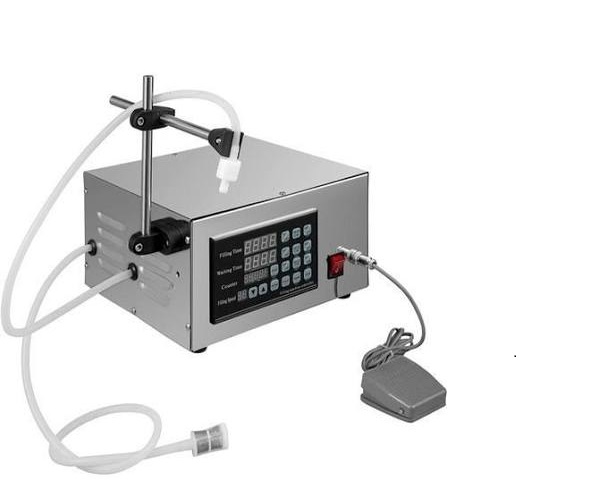
Productivity improves when sealing operations can maintain steady movement without unnecessary interruptions. Modern machines are developed to support efficient processing while keeping operation straightforward.
Important productivity features include:
- Continuous operating capability
- Efficient can positioning
- Smooth feeding and handling
- Reduced manual intervention
- Consistent operating speed
- Streamlined production sequences
For operations seeking suitable equipment, information such as https://www.levapack.com/tin-can-sealing-machine-for-your-production/ can help illustrate how sealing technology can support production requirements.
Practical Automation Features
Automation can simplify repetitive sealing activities and create a more organized production environment. Integrated controls help coordinate important machine functions while reducing the amount of routine manual work.
Useful features may include:
- Automated container placement
- Coordinated sealing movements
- Simple operating controls
- Adjustable production settings
- Consistent machine cycles
- Easy monitoring of operating performance
These functions allow operators to focus more attention on overall production flow while the machine handles repetitive sealing tasks efficiently.
Reliable Equipment Operation
Dependable performance is essential for maintaining productive packaging schedules. Modern sealing technology focuses on durable construction, stable operation, and accessible components that support routine maintenance.
Operational benefits include:
- Strong structural design
- Stable machine movement
- Convenient maintenance access
- Consistent sealing performance
- Reduced operational interruptions
- Long-term production support
Regular inspection and proper cleaning can further help maintain smooth operation and preserve consistent sealing quality.
Supporting Future Productivity
Tin can sealing technology can contribute to improved efficiency as production requirements grow. Flexible designs and controlled operating systems provide useful support for changing output expectations.
Businesses can benefit from:
- Better workflow coordination
- Consistent package quality
- Improved labor efficiency
- Higher production consistency
- Reduced repetitive handling
- More organized packaging processes
- Greater operational flexibility
By combining precision, speed, automation, and dependable construction, modern tin can sealing machines provide a practical foundation for productive packaging operations. Selecting technology that aligns with container requirements, output goals, and workflow needs can help create efficient and consistent sealing performance while supporting continued production growth.